What PSD3 Could Mean for Your Payment Strategy (Even If You’re Not in Europe)

Heading

The payments world is buzzing with talk about PSD3 - the European Union’s upcoming revision to the Payment Services Directive. While it might sound like “just another EU regulation,” PSD3 is poised to have ripple effects far beyond Europe’s borders. If you’re a merchant, payment provider, or business operating internationally, understanding what’s coming is key to staying ahead.
A quick refresher: What is PSD3?
The EU’s Payment Services Directive (PSD) sets the framework for payments and financial services across member states. PSD2, introduced in 2018, brought major changes like Strong Customer Authentication (SCA) and the foundation for Open Banking.
PSD3 is the next evolution. The European Commission is preparing updates to close loopholes, strengthen consumer protections, and accelerate innovation in payments. The goal? A safer, more competitive, and more harmonized payments market across Europe.
Why PSD3 matters - even if you’re outside the EU
You may be asking: “If my business is based in the US, Asia, or elsewhere, why should I care?”
Here’s why PSD3 has global implications:
- Global customers expect global standards
European shoppers already benefit from seamless bank transfers, high security, and strong rights under PSD2. PSD3 will raise the bar even further. If your checkout falls short of those expectations, you risk higher cart abandonment when selling to European customers. - Cross-border trade relies on alignment
Many payment providers, fintechs, and banks operate across regions. When the EU sets new compliance requirements, international partners often adapt globally - meaning changes will filter into non-European markets as well. - Security and fraud prevention will influence global benchmarks
PSD3 is expected to tighten fraud reporting and authentication rules. These practices often spread internationally, becoming de facto standards. Merchants everywhere should prepare for stronger customer verification demands. - Open Banking is gaining traction worldwide
PSD3 is likely to strengthen Open Banking frameworks, giving them more structure and reach. As adoption grows in Europe, consumers in other regions (including the US) will increasingly demand similar “Pay by Bank” experiences.
What changes could we see?
Although the final text is still in progress, here are areas PSD3 is likely to impact:
- Stronger rules for fraud and scams
Mandatory reimbursement for certain fraud cases may become standard, shifting liability from consumers to payment providers. - Standardization of APIs for Open Banking
PSD3 aims to unify and improve the interfaces that banks provide, reducing friction and boosting reliability for Pay by Bank transactions. - Greater transparency
More detailed requirements for fees, payment terms, and settlement timelines could emerge - improving trust but also demanding better compliance systems. - Expanded scope
Non-bank players (such as digital wallets or embedded finance providers) may face stricter licensing and oversight.
What should merchants do today?
Even if PSD3 doesn’t directly apply to your jurisdiction, you can prepare by:
- Evaluating your European strategy: If you sell into the EU, ensure your payment stack is ready for higher compliance and more Open Banking adoption.
- Moving beyond cards: Cards will remain important, but they shouldn’t be your only option. Traditionally, merchants had to integrate multiple local methods (iDEAL, Bancontact, Sofort, etc.). But with the rise of Open Banking (Pay by Bank), one integration now gives you access to thousands of banks across Europe - replacing the need for separate local methods.
- Improving fraud management: Adopt tools and partners that prioritize real-time fraud detection and strong authentication.
- Staying flexible: Work with payment providers that keep ahead of regulatory shifts, so you don’t need to overhaul your checkout every time a new law arrives.
The bigger picture
PSD3 is not just a European story, it’s a preview of where payments are heading globally: more secure, more transparent, and more consumer-friendly.
By preparing now, merchants can future-proof their payment strategies and turn compliance into a competitive advantage.
Keep Exploring

The Hidden Revenue Leak in European SaaS Payments
The Hidden Revenue Leak in European SaaS Payments

Is Your European Checkout Ready for Black Friday 2026?
Is Your European Checkout Ready for Black Friday 2026?
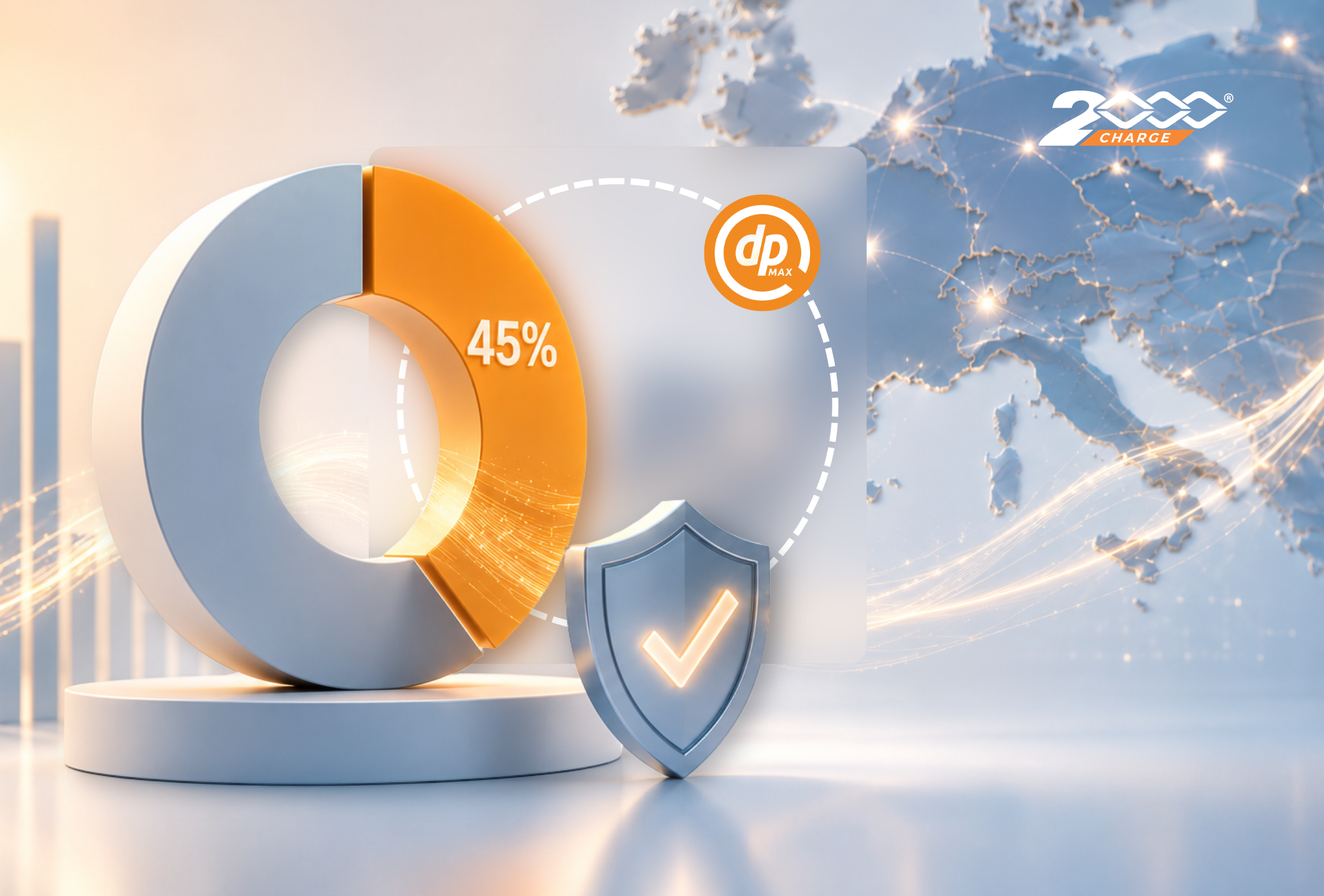
Why 45% of Your EU Payments Are Failing (And How DPMax can recover them)
Why 45% of Your EU Payments Are Failing (And How DPMax can recover them)
Ready to increase your revenue with local payment methods?
There are a lot more payment methods customers from all over the world feel more comfortable to use and trust much more than credit cards.