

Is Your European Checkout Ready for Black Friday 2026?
Heading

Black Friday brings more traffic, more transactions, and more opportunities to generate revenue.
But increased traffic can also expose weaknesses in your payment infrastructure.
A merchant can invest heavily in advertising, promotions, inventory, and website performance only to lose a customer at the final step: payment.
For businesses selling to customers across Europe, preparing for Black Friday should therefore include more than testing website speed and planning promotions. It should include reviewing whether customers can actually complete their payments easily and reliably.
Before peak season arrives, here are six questions worth asking about your European checkout.
1. Are You Relying Too Heavily on Cards?
Cards remain an important part of the payment mix. But they do not need to be the only path to payment.
A legitimate transaction can still be declined because of issuer rules, authentication requirements, fraud controls, card type, or cross-border activity. A customer may also simply prefer another way to pay.
If the card fails and there is no alternative available, a customer who was ready to purchase can suddenly become a lost transaction.
Providing additional payment options gives customers another way to complete their purchase rather than forcing every transaction through the same payment rail.
2. Does Your Checkout Reflect European Payment Preferences?
Europe should not be treated as one uniform payment market.
Payment habits and preferences differ between countries, making localization an important part of a European payment strategy.
Depending on the markets a merchant serves, that can mean supporting payment options such as DPMax (Pay by Bank), SEPA, Bancontact, BLIK, Przelewy24, eps, and other relevant local methods.
The same principle that applies to language and currency applies to payments: localization matters.
Your Black Friday campaign may reach customers across Europe. Your checkout should be prepared to do the same.
3. What Happens When a Payment Path Fails?
This is one of the most important questions to ask before a high-volume sales period.
What happens if a payment connection fails?
Does the transaction simply stop?
Or is there another path available?
This is where payment orchestration becomes valuable.
DPMax is designed with smart routing and built-in redundancy. Rather than depending on a single Open Banking connection, transactions can be routed across providers to help identify an efficient available path.
During peak periods, having another path available can be an important part of building a more resilient payment infrastructure.
4. Can Customers Pay Directly Through Their Bank?
Pay by Bank gives customers another option beyond entering card details.
With DPMax, customers can select Pay by Bank at checkout, choose their bank or enter their IBAN, and authorize the transaction through their own banking environment.
For merchants, this creates an additional route to payment completion.
For customers, it provides a bank-based payment experience using an environment they already know.
That can be particularly valuable when a card payment is unsuccessful or when a customer simply prefers to pay directly through their bank.
5. Are You Prepared for Customers Across Multiple European Markets?
A merchant may start with one or two European countries and quickly find itself receiving transactions from customers across the region.
That creates another challenge: coverage.
Managing different providers or integrations market by market can create additional technical and operational complexity.
DPMax is built as an Open Banking orchestration platform that brings banks, regions, and providers together through one solution, while providing routing, redundancy, reporting, and flexible integration options.
Instead of thinking about Black Friday traffic only in terms of volume, merchants should also consider where that traffic is coming from and whether their payment infrastructure can support it.
6. Do You Know Where Payments Are Being Lost?
Black Friday preparation shouldn't end with adding payment methods.
Merchants should understand what is happening after customers reach checkout.
Review:
- Payment completion and decline rates
- Performance by country
- Checkout abandonment
- Payment method usage
- Provider or connection failures
- Chargebacks and refunds
- Processing and cross-border costs
The goal is not simply to know how much revenue your business processes.
It is to understand how much potential revenue reaches checkout but fails to complete.

Black Friday Starts Before Black Friday
The best time to discover a weakness in your payment infrastructure is not when transaction volume is at its highest.
It is before peak season begins.
Testing payment flows, reviewing European coverage, evaluating alternative payment options, and building redundancy into your payment infrastructure can help create a checkout that is better prepared for increased demand.
More traffic creates more opportunity.
Make sure your checkout is ready to convert it.
Prepare Your European Checkout with DPMax
DPMax provides access to European markets through an Open Banking orchestration platform designed around broad bank coverage, smart routing, redundancy, and flexible integration.
Discover DPMax and prepare your payment stack for European growth.
https://calendly.com/2000charge/discovery-call
Keep Exploring

The Hidden Revenue Leak in European SaaS Payments
The Hidden Revenue Leak in European SaaS Payments
What PSD3 Could Mean for Your Payment Strategy (Even If You’re Not in Europe)
What PSD3 Could Mean for Your Payment Strategy (Even If You’re Not in Europe)
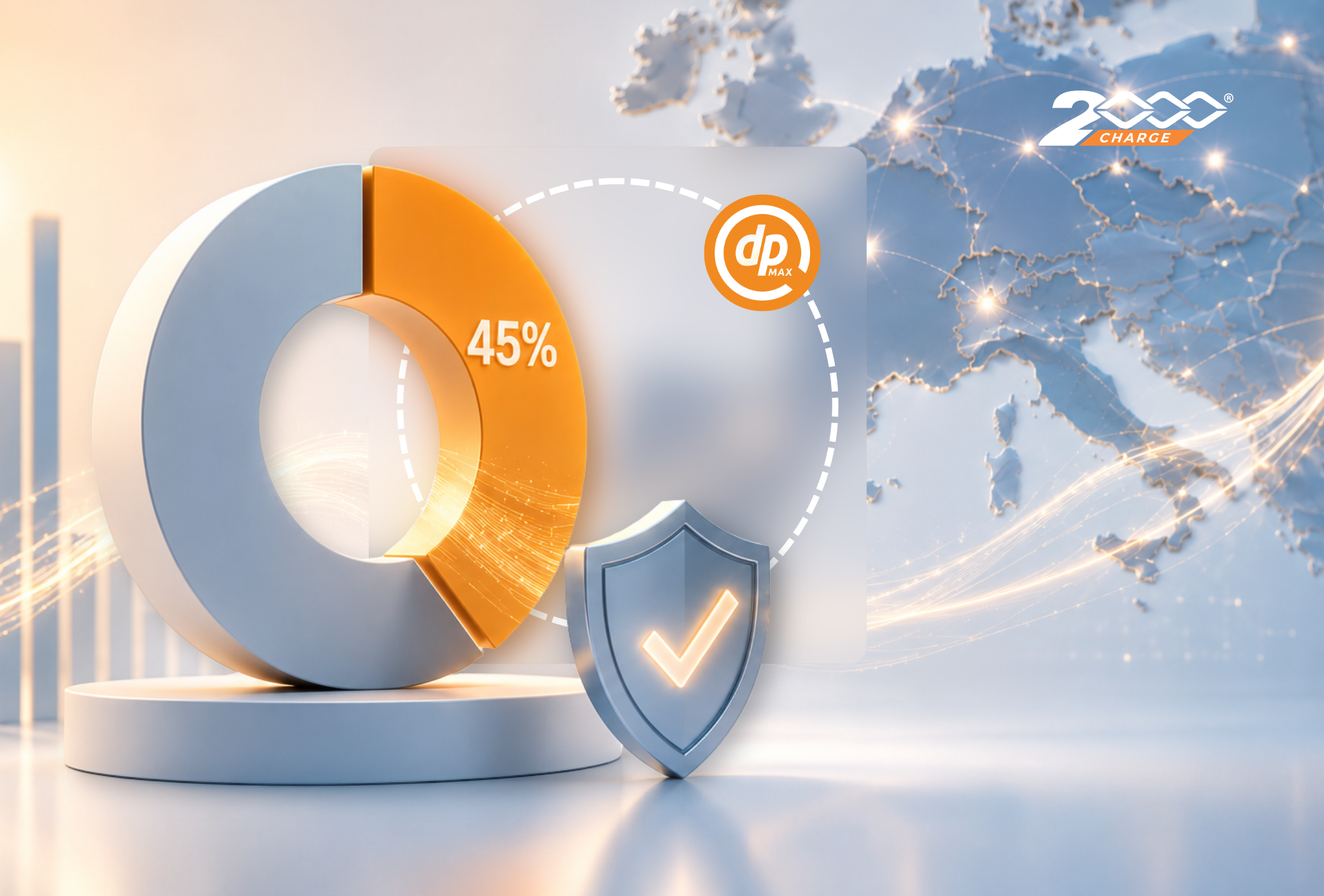
Why 45% of Your EU Payments Are Failing (And How DPMax can recover them)
Why 45% of Your EU Payments Are Failing (And How DPMax can recover them)
Ready to increase your revenue with local payment methods?
There are a lot more payment methods customers from all over the world feel more comfortable to use and trust much more than credit cards.


