Heading

Cards Aren't Going Away
Credit cards are familiar, widely used, and deeply embedded in online commerce.
But as businesses expand into new markets, the question is no longer simply whether customers can pay by card. It's whether the checkout offers the payment options customers expect.
Across Europe, payment preferences vary by country. While some customers prefer cards, others are accustomed to paying directly through their bank or using a familiar local payment method.
For merchants selling internationally, a card-only checkout may not reflect how customers in different markets prefer to pay.
A stronger payment strategy gives customers a choice.
Pay by Bank Creates Another Path
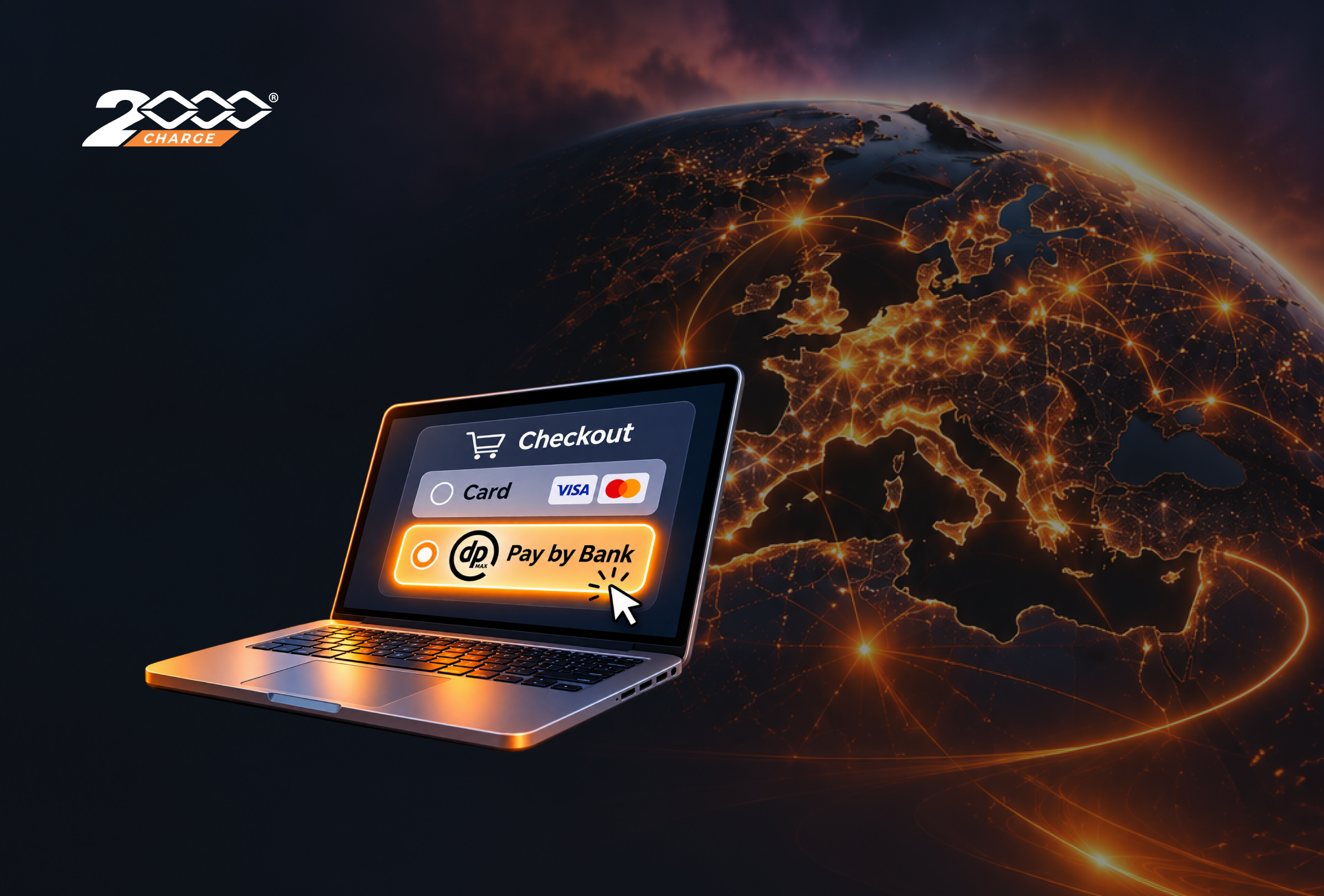
Pay by Bank allows customers to initiate payments directly from their bank account without entering card details.
With DPMax by 2000Charge, customers can select their bank or enter their IBAN before being redirected to their banking environment to authorize the transaction.
This gives merchants the ability to offer a bank-based payment option directly at checkout, alongside cards and other relevant payment methods.
It isn't about replacing cards. It's about offering customers a payment experience that reflects how they prefer to pay.
Why This Matters in Europe
European expansion isn't simply a matter of translating a website and displaying prices in another currency.
Payments are part of localization too.
A customer in the Netherlands may be accustomed to paying directly through their bank, while a customer in Belgium may expect Bancontact at checkout. In Poland, methods such as BLIK and Przelewy24 are familiar parts of the payment experience.
A checkout designed around the expectations of one market may therefore feel incomplete in another.
2000Charge supports a range of European payment options alongside DPMax, including SEPA, Bancontact, eps, BLIK, and Przelewy24.
A broader payment strategy allows merchants to build a checkout that better reflects the markets they serve.
The Checkout Experience Matters
Consider a customer shopping on a website based outside their home country.
They've found the product they want, accepted the price, and are ready to purchase.
But at checkout, they see credit cards and payment methods that aren't commonly used in their country.
For some customers, that's not a problem. Others may prefer a familiar way to pay, such as directly through their bank.
Offering Pay by Bank alongside cards gives those customers another option without requiring them to use a payment method they may not prefer.
For merchants, this is about more than adding another checkout button. It's about creating a payment experience that feels relevant to the customers and markets they serve.
Why Open Banking Orchestration Matters
Adding Pay by Bank is one step. Making it work reliably across European markets is another.
Europe's banking landscape includes thousands of banks, different technical connections, and varying levels of Open Banking support.
DPMax by 2000Charge addresses this complexity through Open Banking orchestration.
By connecting multiple Open Banking providers through a single platform, DPMax offers built-in redundancy. If one provider experiences an issue, transactions can be automatically routed through another available provider, helping maintain a reliable payment experience.
And when a customer's bank doesn't support a direct Open Banking connection, DPMax can provide a standard bank-transfer alternative through DirectPay EU. These transfers follow a different confirmation process than direct Open Banking payments.
For merchants, this means broader payment accessibility without managing multiple Open Banking integrations independently.
Build a Payment Mix Around Your Customers
Merchants spend significant resources bringing customers to checkout through advertising, SEO, partnerships, and sales.
The payment experience is the final step in turning that interest into revenue.
Just as merchants adapt their websites, pricing, and customer experience for different markets, their payment options should reflect those markets too.
Cards remain an important part of that experience, but they don't need to be the only option.
The goal isn't simply to offer more payment methods. It's to offer the right payment methods for the customers you're trying to reach.
Give Your European Customers More Ways to Pay
Your European customers are ready to pay. Is your checkout giving them the options they expect?
DPMax by 2000Charge makes it easier to offer Pay by Bank across European markets through a single Open Banking integration, supported by broad bank coverage, smart routing, and built-in redundancy.
Give customers the freedom to pay directly through their bank while simplifying the complexity of European Open Banking.

Keep Exploring
The Hidden Revenue Leak in European SaaS Payments
The Hidden Revenue Leak in European SaaS Payments
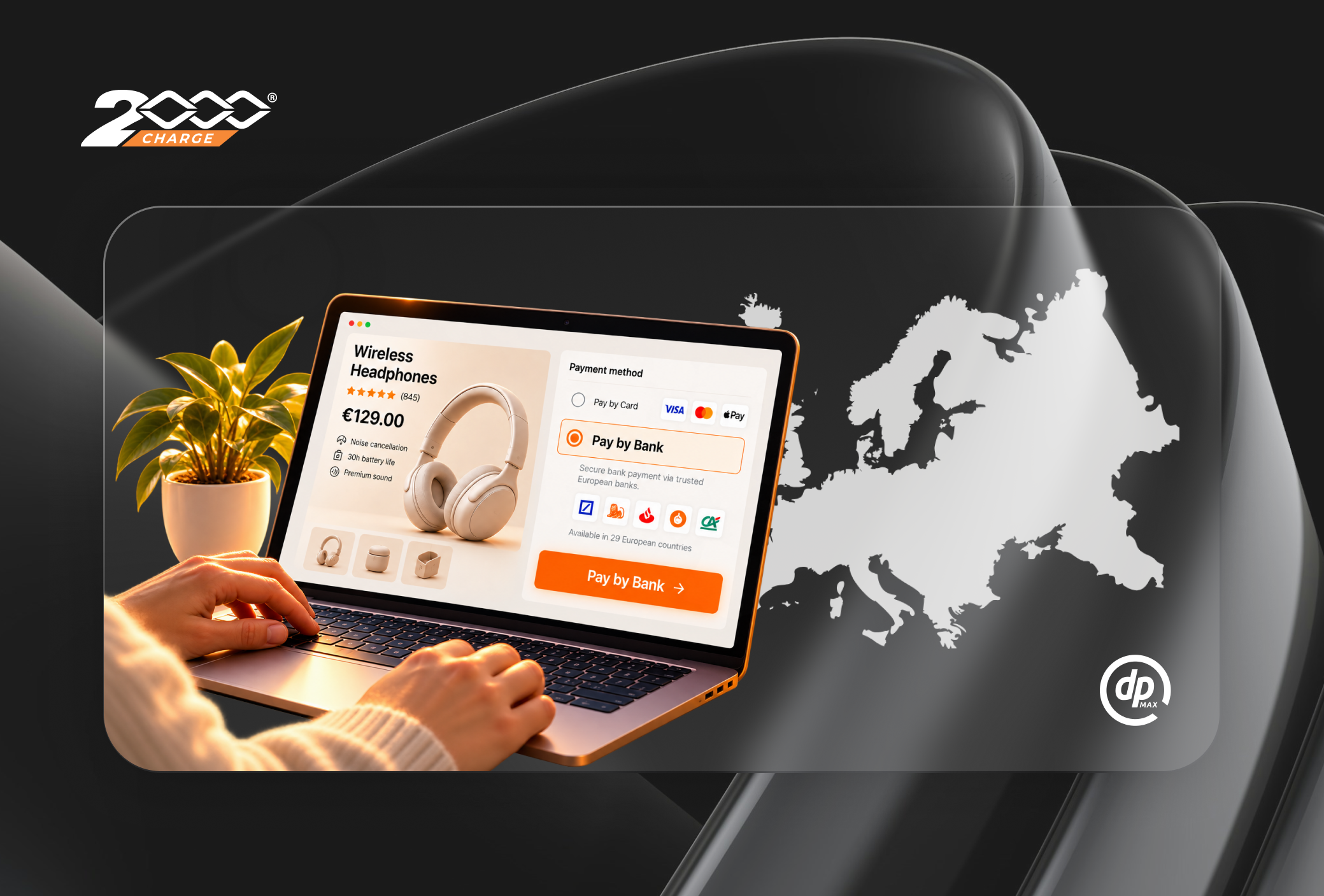
Why One Open Banking Provider May Not Be Enough for European Coverage
Why One Open Banking Provider May Not Be Enough for European Coverage

Is Your European Checkout Ready for Black Friday 2026?
Is Your European Checkout Ready for Black Friday 2026?
Ready to increase your revenue with local payment methods?
There are a lot more payment methods customers from all over the world feel more comfortable to use and trust much more than credit cards.